There are three ways that memory can be viewed: as types, stages, or as processes. There are two types of memory that can be looked at; explicit and implicit. Explicit memory deals with knowledge or experiences that can be consciously remembered. Although implicit memory deals with experience as well, it deals with experience as it influences behavior, even when these changes or experiences are not easily pinpointed.
The second way that memory can be viewed is as stages. Memory has three stages: sensory, short- term, and long- term. You are probably most familiar with viewing memory in this way. Sensory memory acts as a sort of "memory buffer" so if your brain determines that the information that you have received is not useful then it is not remembered. Short- term memory is the area that usually keeps small bits of information for more than a few seconds, but less than a minute. Long- term memory usually holds your most important memories, such as names or materials that you have studied for a test.
The third and final way that we can view memory is as processes. The first process, encoding, " is the process by which we place experiential things into our memories." Information cannot be properly remembered without this step.The second, storage, does exactly what it sounds like, it stores the memories that you obtain overtime. The final process, retrieval, is when your brain "retrieves" memories or information when it is needed.
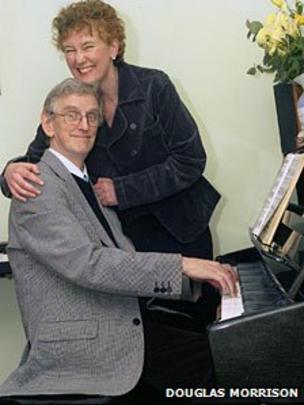 The part that stood out most to me from the videos and readings this week was the video about Clive Wearing. Clive has a very strong case of amnesia that is so severe that he cannot even remember something from thirty seconds ago. In the video Clive went on having a normal conversation with his wife, but what he did not notice was that his wife was essentially repeating the same things over to him. Usually a close family member in that position might become frustrated or upset because of the situation that their loved one has been put in, but I thought that it was really cool that his wife was very upbeat and positive when talking about Clive's situation even though the situation is definitely not the best. As we can see from Clive's case memory is a very important part of our daily lives that we too often take for granted and we should all try to be more thankful for the amazing gift of memory that God has given us.
Sources:
Chapter 8: Memory PDF
https://www.youtube.com/watch?v=Vwigmktix2Y