 Alright, so this will
more than likely be my final blog. So, to bring this whole blogging thing to a
close I'm going to do an overview of the things that I learned during my time
in Intro to Psychology and I am also going to be talking about the things and
ideas that impacted me the most.
Alright, so this will
more than likely be my final blog. So, to bring this whole blogging thing to a
close I'm going to do an overview of the things that I learned during my time
in Intro to Psychology and I am also going to be talking about the things and
ideas that impacted me the most.
First, I am just going
to give ya'll a bit of an overview of all the topics that we discussed
throughout the semester. The first topics that we discussed were covered in
Module 1: Getting to Know Me, YOU, and Psychology. In this module we learned
the basics of blogging and then we later learned about the many
sub-fields of Psychology. Overall, this was definitely a learning
experience for me because I had never done anything like this before, but it
turned out to be pretty fun overall. Next came Module 2: Brain, Sensation, and
Perception. In this module we learned all about the different parts of the
brain and how they play into psychology and the things you do. This module
wasn't really the easiest for me to comprehend, but eventually I understood it
thanks to Emelia's blog on the subject. While we are
on the subject of helpful blogs, there were two people's blogs who I found to
help me from week to week. Emelia's being one of
those, but Aylin's also helped me to better understand
the material as we went through this class. Continuing on, the next topics we
covered were Development Psychology and personality in Module 3. This
module had by far my favorite experiential task. Since we learned about
personality in this module, we were given the opportunity to do a
character study on someone. The instructions for this task were that we needed
to analyze the personality of someone over time period, age, different
situations, and contexts. At the end of this "interview" we were
supposed to make an educated guess of what type of personality they would have
if they took a personality test. For this task I decided to analyze my
mom's personality, which is probably why I enjoyed this task so
 much. I say that because my mom has
a very eccentric personality. She unapologetically doesn't care what
anyone thinks of her and she is totally not afraid to speak her mind, so it was
interesting to see how her past and childhood reared this great
personality. While we are still on the topic of
Developmental Psychology. In terms of comments, Austin's comment on my
Developmental Psychology post really stood out to me, because I
thought my parents parenting style was kind of atypical so it was cool to find
out that his parents had a similar style. Next came Module 4, of course.
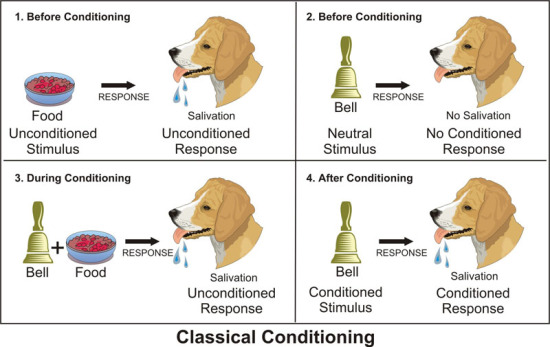
This module was all about learning and memory. We talked about the different
theories of learning and also got to see a really cool experiment with a dog
that led to some of these different theories. When we talked about memory, we
learned that there are five theories of forgetting which are: decay, interference,
motivated forgetting, encoding failure, and retrieval failure. I found all of
these theories to be really interesting and I even think that knowing about
them could potentially help me in studying for future tests. As you can
probably already guess, after Module 4 comes Module 5 in which we learned all
about motivations, emotions, and social psychology. This module also happens to
be one of my favorites from the ones that we did this semester. I really enjoyed
studying social psychology, because it helped me fully realize just
how judgmental of a society we are. I also happened to do my
student-led activity on this subject which I really enjoyed, because my partner
and I got to show the class just how many "social norms" we have and
do not even realize. Of all the modules though, I think knowing about Social
Psychology will be most helpful in my future career because I want to be a
plastic surgeon. Often times social psychology plays a big role in this field
of medicine, so ultimately, I think I will be better equipped and able to know
when my patients really want a surgery for themselves, or just because they
think people will like them better. Module 6 was next on our learning list in
the semester, so we learned about Psychological disorders and therapy. I also
really enjoyed this module, because my family has a long history of
psychological disorders, so it was very helpful to learn about the different
symptoms and also to read the interview blogs about how people with these
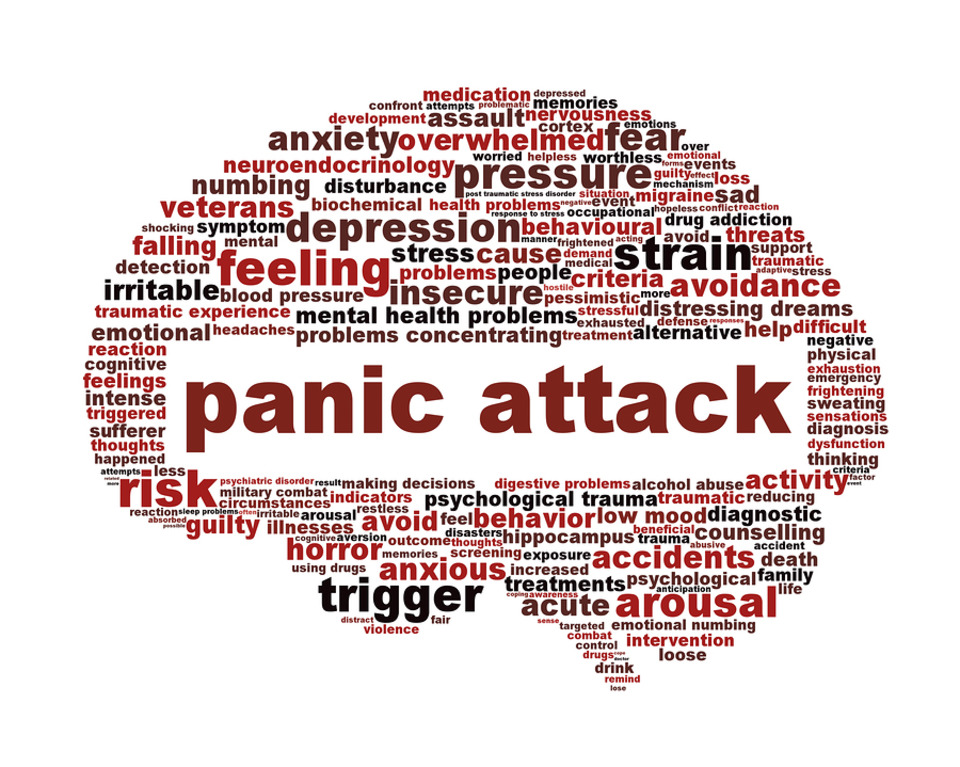
disorders felt on a day to day basis. During this week we watched a video in class
that was really helpful to me in understanding anxiety disorders and panic
attacks specifically. This information and understanding has proven to be useful in my personal
life, because many of my family members suffer from panic attacks,
including my mom and aunt. I got to write probably one of my favorite blogs
about them and their journey of dealing with panic attacks during this week. This was one of my
favorites because I learned a lot about my family’s history of this disorder
that I did not know before. I also got to encourage my classmates to have
similar discussions with their own families about their family history of
mental health, which I enjoyed having the opportunity to do. So now, we
have come to our very last module, which is Module 7. In this module we learned
about Positive Psychology. Before this module I did not even know that there
was an area of psychology that exclusively dealt with the study of human
flourishing and putting these ideas into action, so I learned a ton in this
module. In this module we got to write notes of gratitude, hold the door open
for people, hand out candy, and we even got to play a few fun games to learn
about communication. I enjoyed all of these things, because like we learned, it
has been scientifically proven that doing nice things for others can make you
be happier and even live longer, which is always a good thing. The ideas that
we went over about communicating is also another idea that could be helpful to
me during my future career. I say this because you want to make sure you are communicating
your ideas well when you are about to cut someone open and change their physical
appearance. Overall, when it came to class times I really enjoyed the last
class that we had the most, because we got to hear everyone's opinions and we
got to talk about our favorite topics from the class. In terms of learning overall throughout the entire course the various ted talks that we were assigned to watch were very big in helping me understand the topics that we were covering from week to week. I really enjoyed watching the one about how the brain benefits from sleep because people my age tend not to get a lot of sleep so it was interesting to learn about what exactly that does to the brain. I enjoyed this one so much that a majority of one of my blogs was written about it. Overall, This class was a very good learning experience and I enjoyed getting to read everyone's blogs and learn more about them from week to week.
much. I say that because my mom has
a very eccentric personality. She unapologetically doesn't care what
anyone thinks of her and she is totally not afraid to speak her mind, so it was
interesting to see how her past and childhood reared this great
personality. While we are still on the topic of
Developmental Psychology. In terms of comments, Austin's comment on my
Developmental Psychology post really stood out to me, because I
thought my parents parenting style was kind of atypical so it was cool to find
out that his parents had a similar style. Next came Module 4, of course.
This module was all about learning and memory. We talked about the different
theories of learning and also got to see a really cool experiment with a dog
that led to some of these different theories. When we talked about memory, we
learned that there are five theories of forgetting which are: decay, interference,
motivated forgetting, encoding failure, and retrieval failure. I found all of
these theories to be really interesting and I even think that knowing about
them could potentially help me in studying for future tests. As you can
probably already guess, after Module 4 comes Module 5 in which we learned all
about motivations, emotions, and social psychology. This module also happens to
be one of my favorites from the ones that we did this semester. I really enjoyed
studying social psychology, because it helped me fully realize just
how judgmental of a society we are. I also happened to do my
student-led activity on this subject which I really enjoyed, because my partner
and I got to show the class just how many "social norms" we have and
do not even realize. Of all the modules though, I think knowing about Social
Psychology will be most helpful in my future career because I want to be a
plastic surgeon. Often times social psychology plays a big role in this field
of medicine, so ultimately, I think I will be better equipped and able to know
when my patients really want a surgery for themselves, or just because they
think people will like them better. Module 6 was next on our learning list in
the semester, so we learned about Psychological disorders and therapy. I also
really enjoyed this module, because my family has a long history of
psychological disorders, so it was very helpful to learn about the different
symptoms and also to read the interview blogs about how people with these
disorders felt on a day to day basis. During this week we watched a video in class
that was really helpful to me in understanding anxiety disorders and panic
attacks specifically. This information and understanding has proven to be useful in my personal
life, because many of my family members suffer from panic attacks,
including my mom and aunt. I got to write probably one of my favorite blogs
about them and their journey of dealing with panic attacks during this week. This was one of my
favorites because I learned a lot about my family’s history of this disorder
that I did not know before. I also got to encourage my classmates to have
similar discussions with their own families about their family history of
mental health, which I enjoyed having the opportunity to do. So now, we
have come to our very last module, which is Module 7. In this module we learned
about Positive Psychology. Before this module I did not even know that there
was an area of psychology that exclusively dealt with the study of human
flourishing and putting these ideas into action, so I learned a ton in this
module. In this module we got to write notes of gratitude, hold the door open
for people, hand out candy, and we even got to play a few fun games to learn
about communication. I enjoyed all of these things, because like we learned, it
has been scientifically proven that doing nice things for others can make you
be happier and even live longer, which is always a good thing. The ideas that
we went over about communicating is also another idea that could be helpful to
me during my future career. I say this because you want to make sure you are communicating
your ideas well when you are about to cut someone open and change their physical
appearance. Overall, when it came to class times I really enjoyed the last
class that we had the most, because we got to hear everyone's opinions and we
got to talk about our favorite topics from the class. In terms of learning overall throughout the entire course the various ted talks that we were assigned to watch were very big in helping me understand the topics that we were covering from week to week. I really enjoyed watching the one about how the brain benefits from sleep because people my age tend not to get a lot of sleep so it was interesting to learn about what exactly that does to the brain. I enjoyed this one so much that a majority of one of my blogs was written about it. Overall, This class was a very good learning experience and I enjoyed getting to read everyone's blogs and learn more about them from week to week.